
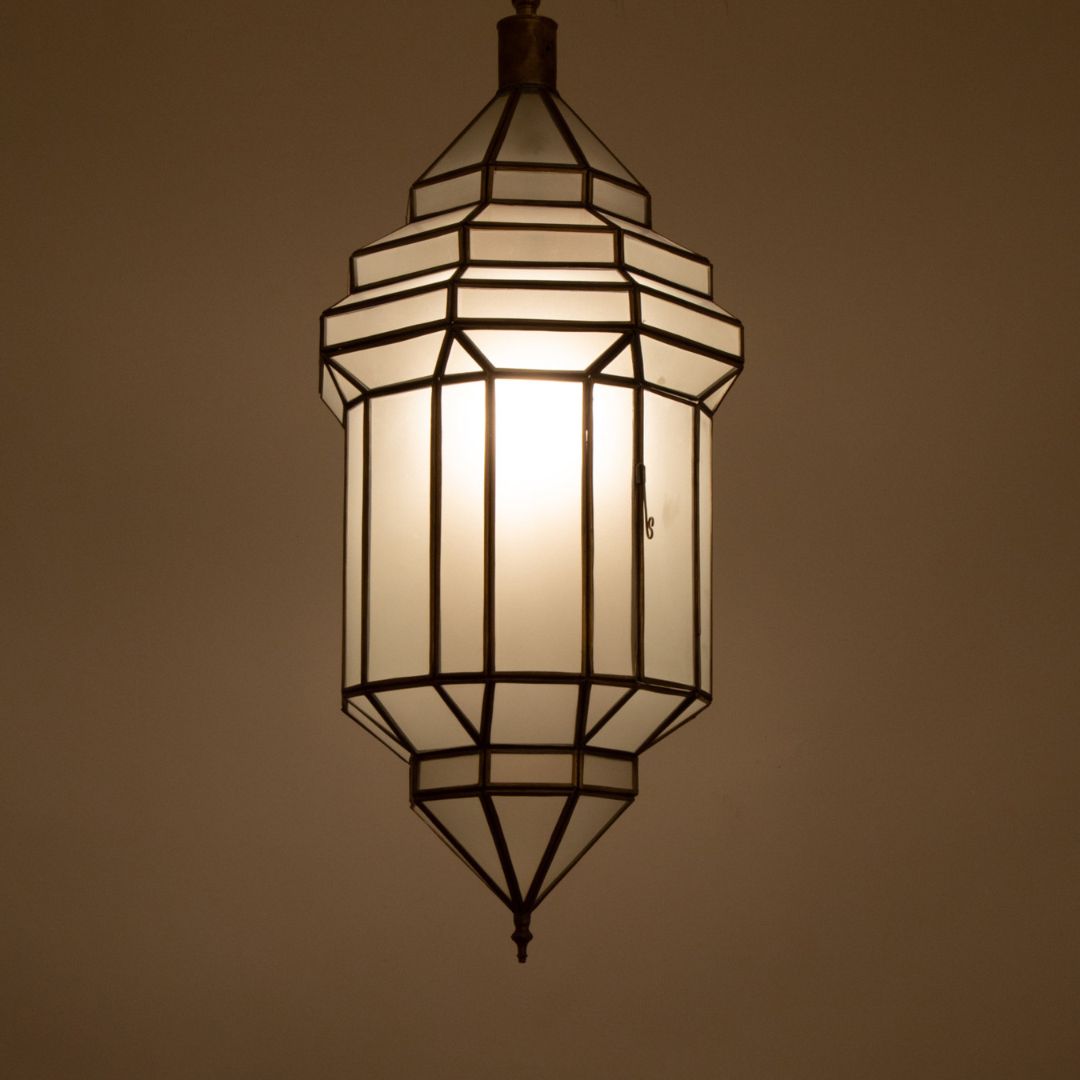
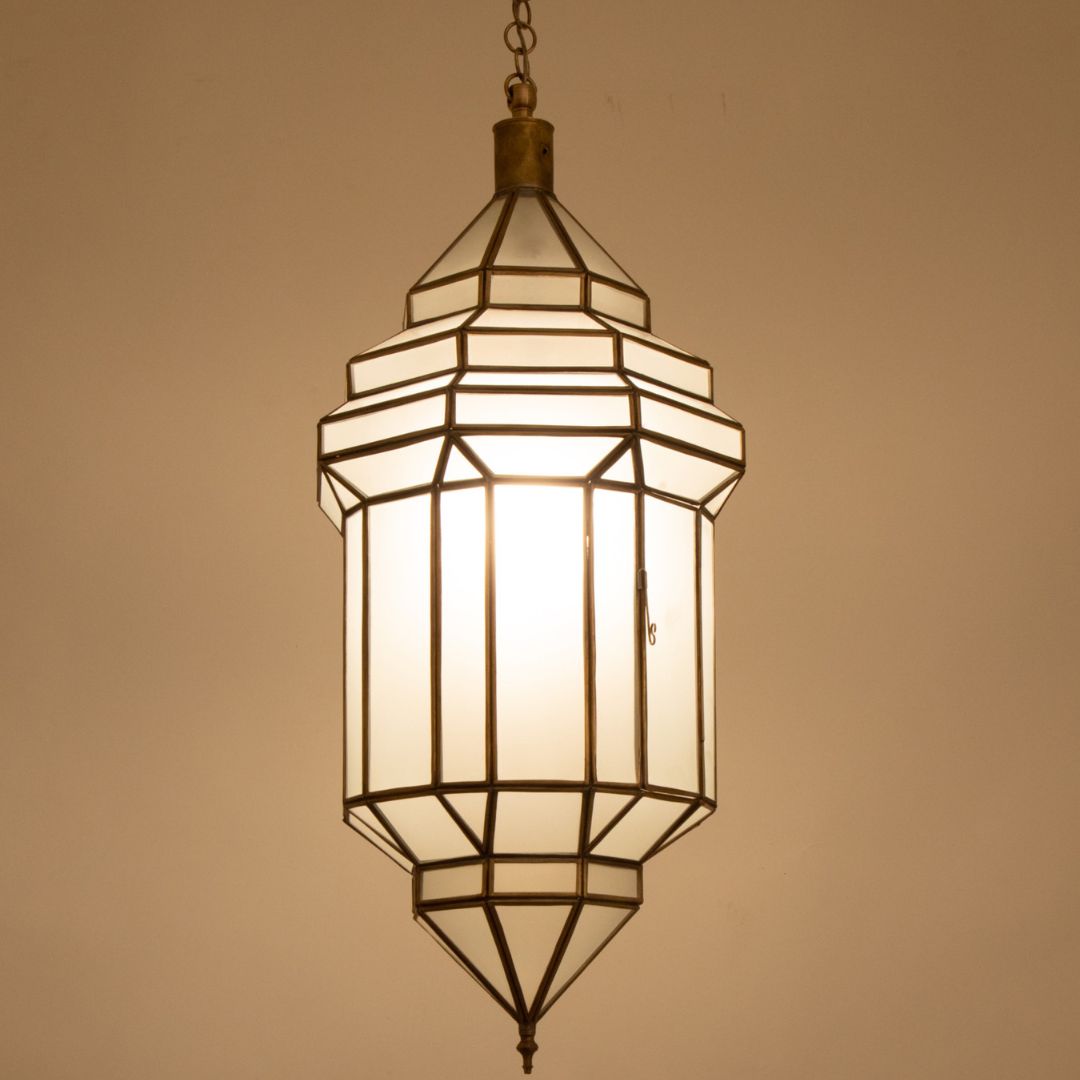
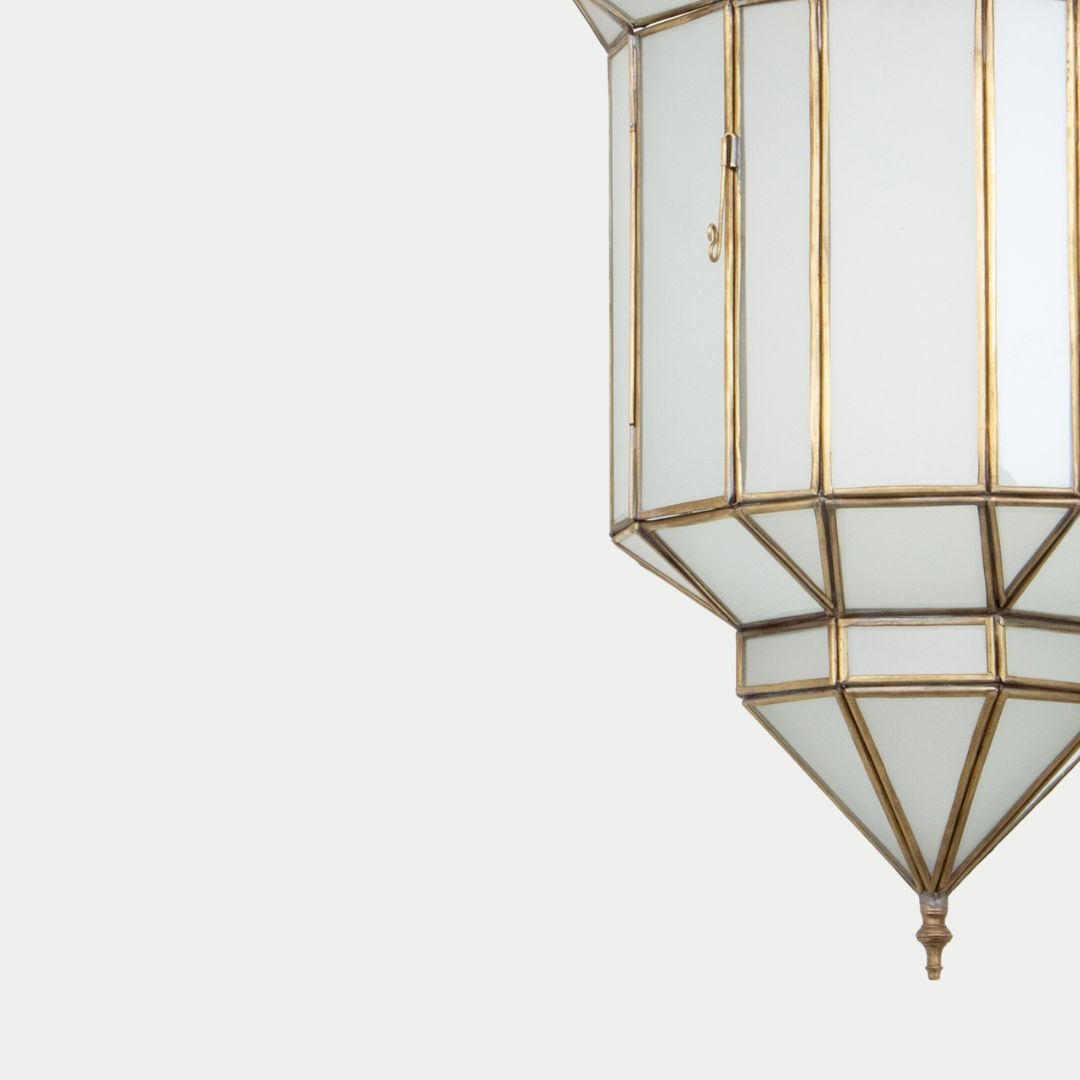
Farah : Artisan Brass & Frosted Glass Moroccan Geometric Pendant Lantern

Sale priceDhs. 4,013.00 AED

Discount

Use the code MC10 to receive a 10% discount on your first order

DESCRIPTION

Elevate your space with a touch of Maghrebian elegance.

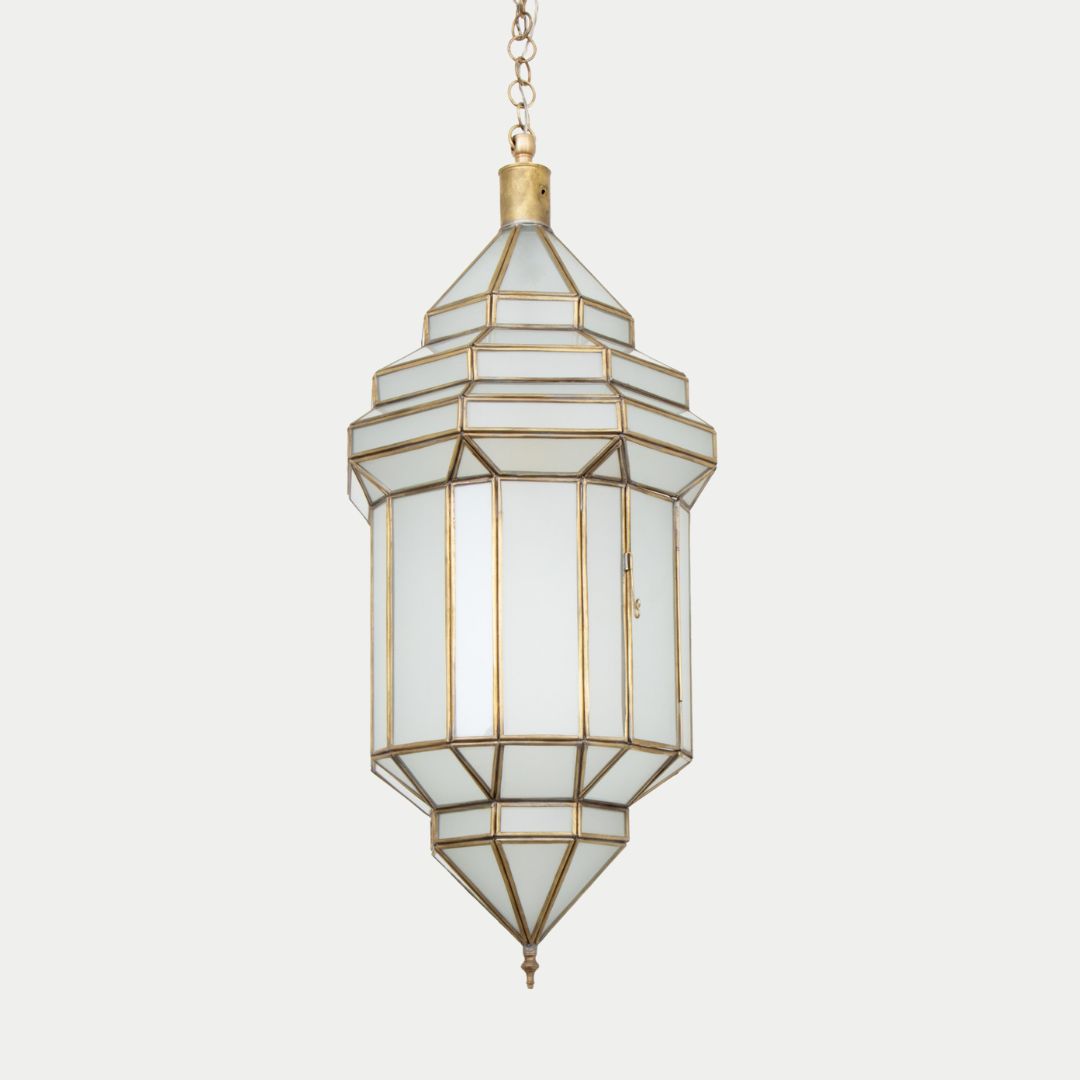
Handcrafted by master artisans, this geometric pendant lantern seamlessly blends traditional Moroccan architecture with a refined, minimalist aesthetic. Featuring a solid brass frame with a soft, aged finish, it holds panels of premium frosted glass that diffuse light into a warm, inviting glow—perfect for creating an atmosphere of "Warm Luxury."

The elongated hexagonal silhouette is a nod to heritage design, reimagined for the contemporary home. Whether hung in a series over a kitchen island or as a statement piece in an entryway, this lantern brings a sense of artisanal history and sophisticated calm to any room.

moroccan brass light process 4
01

Designing the Lamp

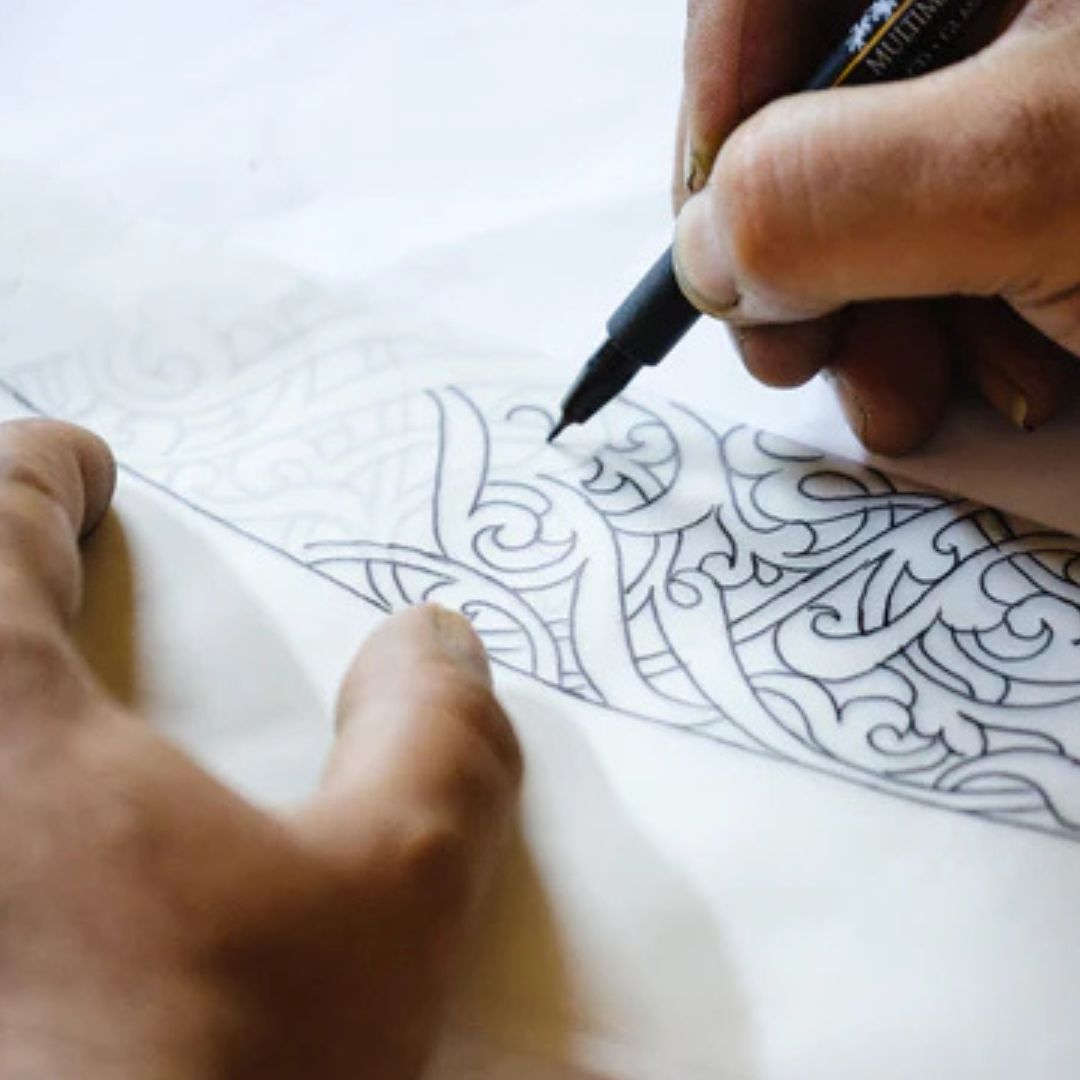
Moroccan lamps begin with a carefully designed pattern, often featuring traditional geometric, arabesque, and floral motifs. Artisans sketch these designs by hand or use stencils for precision. Brass is the primary material due to its durability and workability, though copper, silver, and iron are sometimes used. The chosen metal is then cut to the required shape and size, forming the lamp’s structure.

moroccan brass light process 1
02

Hand-Carving and Etching

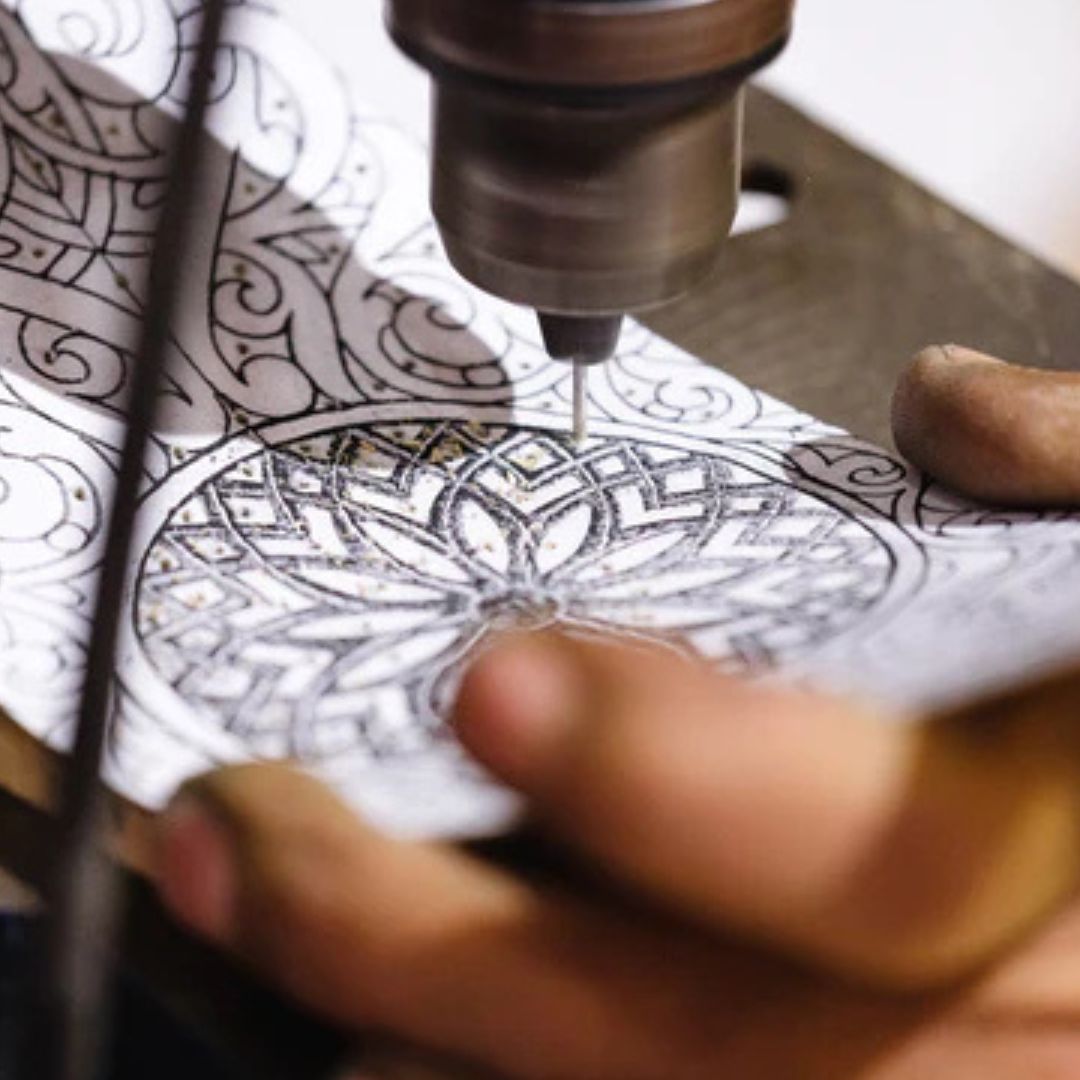
A key feature of Moroccan lamps is their intricate cut-outs and engravings, meticulously handcrafted by artisans using small chisels. This precise work shapes how light is projected, creating stunning shadows and patterns when illuminated.

moroccan brass light process 1
03

Shaping the Lamp

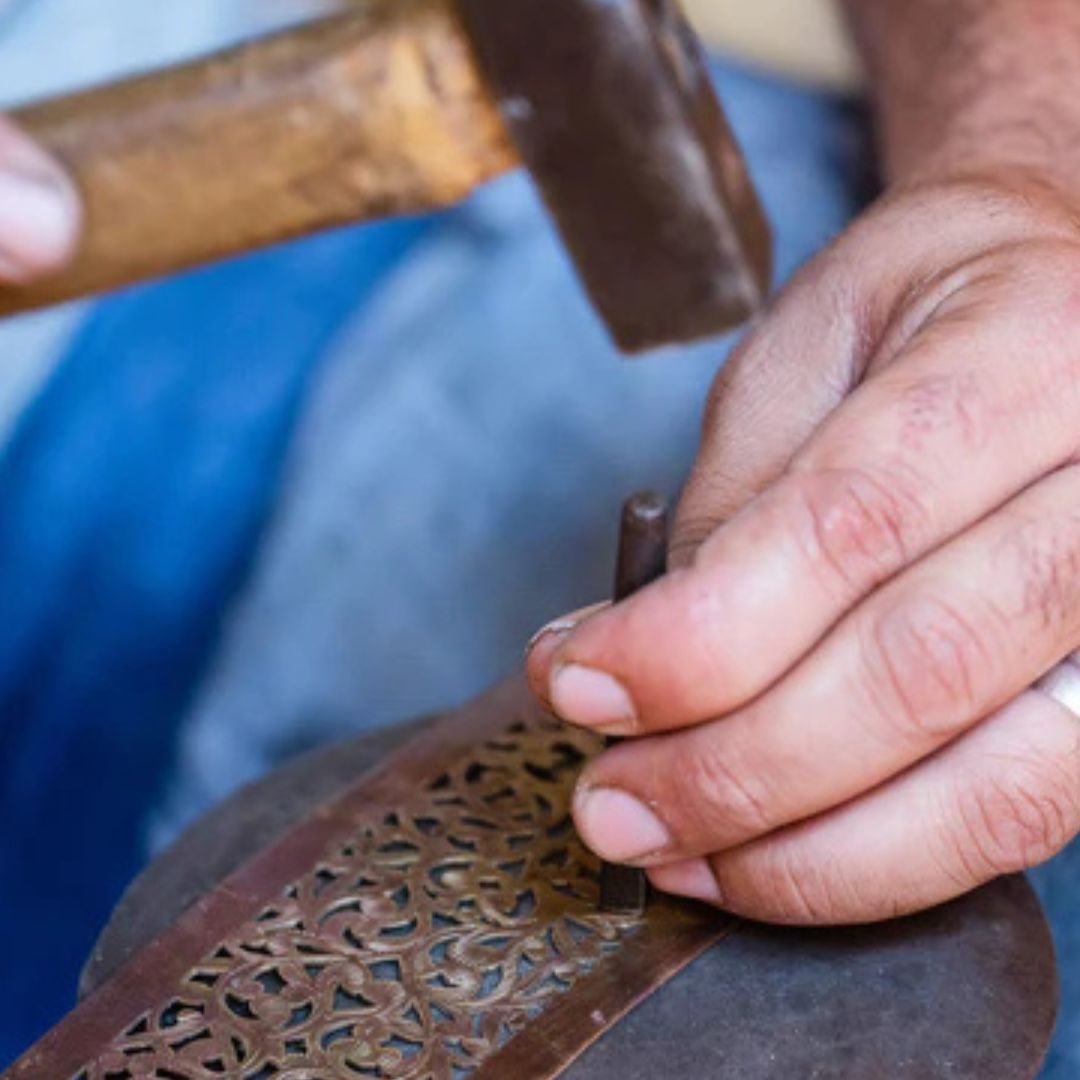
After etching the patterns, artisans shape the lamp according to its design. Pendant lamps take forms like spheres or cylinders, while chandeliers and floor lamps require intricate assembly. Using traditional hammering techniques, artisans mold the brass to achieve a smooth, seamless finish.

moroccan brass light process 1
04

Polishing and Assembly

The final stages of Moroccan lamp-making include polishing, where brass lamps are buffed to a high shine or left untreated for a rustic patina. Afterward, the lamp is assembled with wiring and structural components, then tested to ensure proper functionality and stunning light projection.

01

Designing the Lamp

Moroccan lamps begin with a carefully designed pattern, often featuring traditional geometric, arabesque, and floral motifs. Artisans sketch these designs by hand or use stencils for precision. Brass is the primary material due to its durability and workability, though copper, silver, and iron are sometimes used. The chosen metal is then cut to the required shape and size, forming the lamp’s structure.

02

Hand-Carving and Etching

A key feature of Moroccan lamps is their intricate cut-outs and engravings, meticulously handcrafted by artisans using small chisels. This precise work shapes how light is projected, creating stunning shadows and patterns when illuminated.

03

Shaping the Lamp

After etching the patterns, artisans shape the lamp according to its design. Pendant lamps take forms like spheres or cylinders, while chandeliers and floor lamps require intricate assembly. Using traditional hammering techniques, artisans mold the brass to achieve a smooth, seamless finish.

04

Polishing and Assembly

The final stages of Moroccan lamp-making include polishing, where brass lamps are buffed to a high shine or left untreated for a rustic patina. Afterward, the lamp is assembled with wiring and structural components, then tested to ensure proper functionality and stunning light projection.

moroccan brass light process 4moroccan brass light process 1moroccan brass light process 1moroccan brass light process 1

Trusted by the Elite!

Authentic Craftsmanship is Everyone’s Heritage.

Explore the collections

View all